Is Coach Training Right for You? 7 Honest Signs From ICF Master Certified Coaches
Coaching, Career Change
How to Know If Coach Training Is Actually Right for You
You don’t need a perfect career plan to start coach training — but you do need to recognize the patterns you’ve already been living for years.
I taught high school Spanish for years before I ever heard the word “coaching” used as a profession. What I did know was that the best moments in my classroom weren’t when I explained something really well, but when a student discovered something because I had asked the right question instead of giving them the answer. I didn’t have language for that yet. I just knew I wanted more of those moments.
That’s usually how this starts for most people. Not with a perfect career plan, but with a pattern they’ve been living out for years without putting a name to it.
If you’re wondering whether that pattern in you is worth training, here are 7 honest signs I’d look for.
Sign 1: People Already Seek You Out, Before You Ever Call Yourself a Coach
Before coaching is your job, it’s already your habit. You’re the person a coworker corners after the meeting to talk about what they didn’t say out loud. The person your sister calls before she calls anyone else. You ask a question and the room goes quiet, because it wasn’t the question anyone was expecting.
I hear some version of this from almost every person who comes into our program. They didn’t decide to become “the person people talk to.” They just always were.
Sign 2: You Lead With Questions, Not Answers
The coaches I trust most aren’t the ones with the fastest answers. They’re the ones who can stay inside someone else’s hard question without rushing to fix it. If your instinct in a complicated conversation is “what makes this so hard for you?” before “here’s what I would do,” that’s not a skill you’re missing. It’s a muscle we help you strengthen.
“Good coaching is less about having the right answers and more about holding the right questions long enough for someone to hear themselves.”
Sign 3: You Want to Use Everything You’ve Built, Not Start Over from Zero
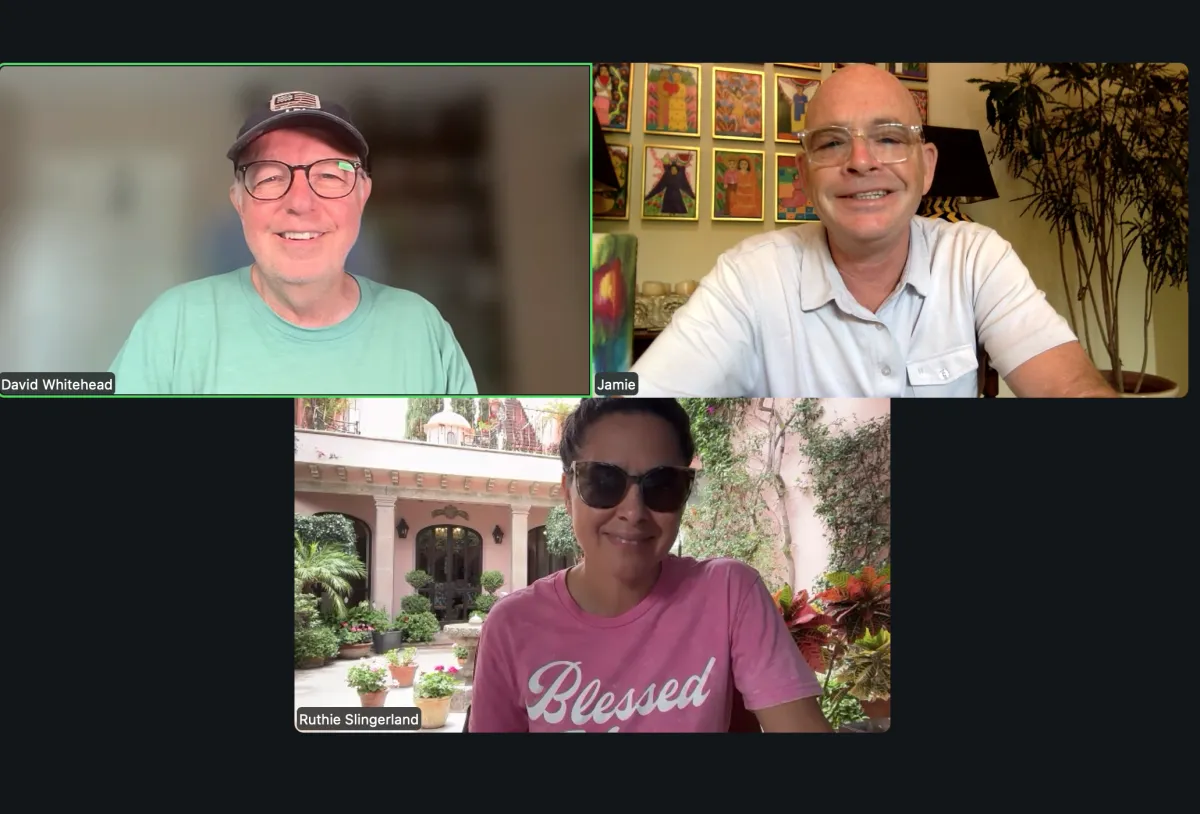
Almost no one comes to Catalyst Coach Academy at 23. Our students usually have 15, 20, 30 years of career behind them — in teaching, ministry, the military, business, medicine — and they’re not looking to start from scratch. They’re finally looking to use everything they’ve learned about people, instead of just their technical job title. My wife Ruthie and I built this school because we lived that exact change in our own lives.
Sign 4: You’re Willing to Be Coached Yourself (This One Is Non-Negotiable)
There’s a real difference between a weekend workbook and a credential that actually means something when you say it out loud. The International Coaching Federation (ICF) sets the standard that serious employers and clients recognize. That means logged practice hours, live mentor coaching, and someone giving you direct feedback on your skill, not just a badge at the end. If being “coached on your coaching” doesn’t scare you off, you’re already built for this.
Sign 5: You Believe People Aren’t Broken, They’re Just Stuck
This last one isn’t a skill. It’s a conviction. Coaching only works if you genuinely believe the person in front of you isn’t broken — they’re just stuck, and capable of finding their own way. Ruthie and I have done over 11,000 hours of coaching combined, and the one thing that hasn’t changed in any of those hours is this: the belief has to go first. The tools can be taught. That part can’t.
Sign 6: You’re Ready for a Credential That Actually Means Something
Not all coach training is equal. An ICF-accredited program means your training hours are recognized globally, your credential is verifiable, and the curriculum has been evaluated against the highest standards in the profession. According to the ICF’s own research, 85% of coaching clients say it’s important or very important that their coach holds an official credential.
If the idea of earning something real — something you can put next to your name that actually changes how potential clients see you — motivates you more than a quick certificate, you’re thinking about this the right way.
Sign 7: You Keep Coming Back to This Question
This may be the clearest sign of all. You’ve read articles like this one before. You’ve bookmarked pages about coach training. You’ve had the conversation in your head a dozen times. And then life pulled you back in, and another six months passed.
That pull isn’t random. It’s not a phase. The people who find their way into our program aren’t the ones who decided overnight — they’re the ones who kept circling back to this question until they finally stopped waiting for the right time and started asking the right questions of the right people.
Who Makes the Best Coach Trainees? (It’s Not Who You’d Expect)
People ask us all the time whether they have the “right background” for coach training. Here’s what we’ve learned after training coaches across dozens of professional backgrounds: the credential matters far less than the instinct.
Our strongest graduates have come from: education and teaching (they already know how to hold space for growth), healthcare and medicine (they understand the whole person, not just the presenting problem), the military (they carry deep experience with leadership, pressure, and human decision-making), ministry and chaplaincy (they’ve spent careers sitting with people in the hardest moments of their lives), and corporate leadership (they understand organizational dynamics and performance from the inside).
What these backgrounds share isn’t a job title. It’s a pattern: decades of noticing people, asking questions, and caring what happens next. That’s what coach training transforms into a professional skill set.
How Is Coaching Different from Therapy or Consulting?
This is one of the most common questions we get — and it’s worth answering clearly, because the difference matters both for you as a potential coach and for the clients you’ll eventually serve.
Coaching is present- and future-focused. It assumes the client is capable and resourceful, and works to help them take meaningful action toward specific goals. A coach does not diagnose, treat, or advise. They ask questions that help the client hear themselves more clearly.
Therapy explores how the past has shaped who you are today. It is the appropriate resource when someone is dealing with trauma, mental health conditions, or psychological patterns that need clinical support. Therapy is not coaching’s competitor — it’s a different tool for a different need.
Consulting is expertise-driven. A consultant diagnoses a problem and prescribes a solution, drawing on their own knowledge. A coach does the opposite: they trust that the client holds the answers, and their job is to help the client access them.
What ICF-Accredited Coach Training Actually Looks Like at Catalyst Coach Academy
Catalyst Coach Academy is an ICF Level 1 accredited program — meaning your training hours count directly toward your Associate Certified Coach (ACC) credential with a clear, streamlined application path. You won’t just study coaching theory. You’ll coach real people, be coached yourself, and get direct feedback from mentors who hold the MCC credential — the highest level the ICF offers, held by less than 2% of coaches worldwide.
We built the program around a single belief: coaching is a craft, not a personality trait. It can be taught, practiced, and measured. This is how we teach it.
Frequently Asked Questions About ICF Coach Training
Do I need prior experience in coaching or psychology to start?
No. Our strongest students come from all kinds of fields — education, healthcare, business, ministry, the military. What matters is the instinct we described above, not your résumé.
How long does the program take?
Most people complete the core training in 6–9 months, depending on their pace and any prior coaching experience. Most students train while working full time.
Is the program accredited by the ICF?
Yes. Catalyst Coach Academy is an ICF Level 1 accredited training program, which means your training hours count toward an ICF credential with a streamlined application path.
Do I need to quit my job to train as a coach?
No. Most people train while working full time and build their coaching practice alongside their current career. The cohort model is designed for working professionals.
What if I finish the training and decide coaching isn’t for me?
The skills still transfer. Every graduate tells us the training changed how they lead, listen, and communicate — even those who don’t end up coaching full time.
What is the difference between ICF Level 1 and Level 2 coach training?
ICF Level 1 programs offer at least 60 hours of coach-specific training and lead to the Associate Certified Coach (ACC) credential. Level 2 programs go deeper — 125+ hours — and lead to the Professional Certified Coach (PCC). Catalyst Coach Academy is a Level 1 accredited program, giving you a clear, recognized path to your ACC.
Can introverts become successful coaches?
Yes — and often the best ones. Coaching is not about performing or filling silence. It’s about listening at a depth most people never reach. Many of our strongest graduates identify as introverts. The skills you already have are exactly what coaching training builds on.
How is professional coaching different from therapy?
Coaching is present- and future-focused, assumes the client is capable and resourceful, and works toward specific goals and actions. Therapy explores how the past has shaped you and is the right resource for mental health challenges and clinical treatment. Both are valuable — they serve different needs.
Is coaching a viable full-time career?
Yes, for coaches who complete credentialed training and build a practice with intention. ICF research consistently shows that coaches with credentials earn significantly more than those without. Most of our graduates begin building their client base before they even finish the program.
What credentials do the mentors and instructors at Catalyst Coach Academy hold?
All mentors hold the MCC — Master Certified Coach — the highest credential awarded by the ICF, held by less than 2% of coaches worldwide. Co-founders Ruthie Pérez Slingerland and Jamie Slingerland are both MCCs with a combined 11,000+ coaching hours. You won’t just learn coaching — you’ll be supervised by people who have mastered it.
You’ve Already Been a Coach. Now It’s Time to Train Like One.
If five or more of these signs resonated, don’t just bookmark this and move on with your day — that’s exactly how good instincts stay on pause for another five years. The people who join our program aren’t the ones who felt completely certain. They’re the ones who got tired of waiting to feel that way.
Apply to the next cohort → or book 15 minutes with our team → and ask us the questions you actually have before you decide anything.
Related reading: What makes a “master” coach? → · The ICF credential path, explained → · How much does ICF coach training cost? →
