How to Become an Executive Coach in 2026
How to Become an Executive Coach in 2026
Training, salary, ROI, and what the path really looks like — if you are considering executive coaching as your next chapter.
Most people who become executive coaches do not start by deciding to become executive coaches.
They spend 15-25 years becoming strong leaders, HR professionals, consultants, or operators. At some point, they notice something: the most valuable thing they bring is not just their expertise — it is how they help people think.
One of our graduates — we will call her Maria — spent more than 20 years as a senior operations leader in a global company. She was the person people called when a project was on fire. Over time, she realized the most meaningful part of her role was not fixing the problems herself. It was the conversations where she helped her directors slow down, see their blind spots, and make better decisions.
When Maria first considered executive coaching, she assumed it would be a small side version of what she was already doing. What surprised her was how different professional coaching felt once she entered formal training — and how much it changed her, not just her career.
What Executive Coaching Actually Is
Executive coaching is not consulting. It is not mentoring.
Professional executive coaching focuses on helping leaders:
- Improve decision-making and self-awareness
- Strengthen leadership presence and navigate complexity
- Develop emotional intelligence and lead organizational change
Unlike consulting, executive coaching develops the leader's own thinking capacity. The coach does not provide solutions — they create the conditions for the leader to find better ones. This is exactly why organizations specifically seek ICF-trained coaches rather than general advisors.
When Maria entered our Level 1 program, she was used to being the expert in the room. The hardest shift — for most executives who learn to coach — was letting go of being the hero and trusting the client's own thinking.
“Once they experience a client having a breakthrough from a question instead of an answer, they realize they do not have to carry every problem on their back anymore. That is when coaching stops feeling like a technique and starts feeling like a different way of being with people.”
— Jamie Slingerland, MCC
Do You Need Certification?
Legally, no. Professionally, yes. Most organizations require coaches with ICF training, ACC or PCC credentials, and a firm grasp of coaching ethics — especially for corporate coaching contracts and internal leadership development roles.
Certification signals more than compliance. It signals that a coach has developed a real coaching methodology, understands the difference between coaching and advising, and has been evaluated against global professional standards. Many aspiring coaches begin this journey through an ICF Level 1 program that gives them structure and supervised practice.
For executive coaches serving C-suite clients, the ICF credential is often the baseline expectation — not a differentiator.
This is also why the quality of your assessors matters. Jamie holds a Master Certified Coach credential, more than 6,500 hours of experience, and serves as a qualified Level 1 and Level 2 coaching performance assessor. For students, that means your coaching is evaluated by someone trained and authorized to determine whether coaches meet ICF performance standards. That rigor gives graduates confidence when they step into executive conversations where the stakes are high.
What Executive Coaching Pays in 2026
Executive coaching is typically the highest-paid coaching specialty. The market has shifted toward performance-based retainers at senior levels, moving away from hourly billing for experienced coaches.
External Executive Coaches
- ACC (early career): $150–$300/hour while building a track record
- Director / VP-level engagements: $10,000–$25,000 per leader
- C-suite / senior executive engagements: $30,000–$75,000+ per engagement
Internal Executive Coaches
- Internal leadership coach roles: $90,000–$140,000 annually
- Senior internal coach / program leadership: $130,000–$200,000+
The ROI of Executive Coaching
Organizations continue investing in coaching because the return is measurable. According to the ICF Global Coaching Client Study, the data is consistent.
“The question most organizations ask is not whether coaching works. It is whether their coaches are trained well enough to deliver it consistently.”
— Jamie Slingerland, MCC · Qualified Level 1 and Level 2 Coaching Performance Assessor
The business case is straightforward. Replacing a senior leader typically costs 1.5–2x their annual salary. A coaching engagement that retains one high-performer more than pays for itself.
What the Path Actually Looks Like
Most executive coaches follow a similar sequence — but it does not feel like a checklist when you are living it. It feels like three very different years of your life.
Year One: Leader Learning to Coach
In year one, you complete your ICF Level 1 training and start coaching real people while still in the program. You begin to listen differently in every meeting. Colleagues and family notice you are asking better questions and reacting less. For many, this is also the year they discover they can begin this transition while still working full time.
Year Two: Building a Real Practice
By year two, you have earned your ACC and are building a real practice. Maria described this as the year she stopped feeling like she was trying coaching on and started feeling like a coach. You narrow your niche, see patterns in the clients drawn to you, and grow more comfortable talking about your work. A quieter confidence emerges — less about proving yourself, more about serving the person in front of you.
Year Three: From Leader Who Coaches to Professional Coach
In year three, you are moving toward PCC-level experience, often crossing the 500+ hour mark. Your practice is more stable, referrals compound, and organizational relationships deepen. Your identity shifts from leader who also coaches to coach who brings deep leadership experience. It is rarely a single leap — almost always a series of thoughtful, supported steps.
The coaches who build strong executive practices fastest are almost always the ones who started their coaching hours during training — not after completing it.
Meet the Faculty
Our programs are led by practitioners who have reached the highest level of the profession. Not academics who study coaching — coaches who actively do it.

Jamie Slingerland, MCC
Co-Founder · ICF Mentor Coach · Qualified Level 1 & Level 2 Coaching Performance Assessor
With over 6,500 hours of executive coaching experience, Jamie specializes in helping leaders navigate complexity and transition. He serves as a qualified Level 1 and Level 2 coaching performance assessor, ensuring students are trained and evaluated against the highest global standards, and provides mentor coaching that supports coaches through each stage of their credentialing journey.
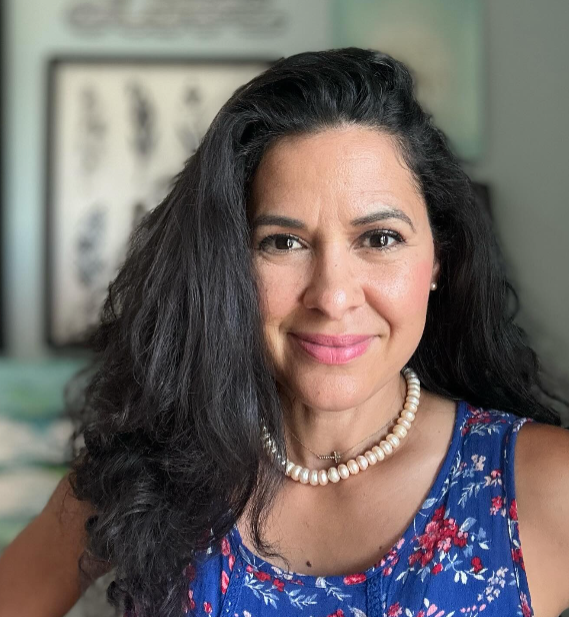
Ruthie Perez Slingerland, MCC
Co-Founder · ICF Mentor Coach
A Master Certified Coach with over 4,000 hours of coaching experience and 20+ years in leadership, Ruthie brings a calm, cross-cultural approach to coach development — helping aspiring coaches build the presence required for deep, transformative work.
Frequently Asked Questions
How long does it take to become a certified executive coach?
Most coaches complete Level 1 training and earn their ACC credential within 12–18 months. Transitioning to executive coaching as a primary career typically takes 2–3 years of intentional practice and relationship-building.
Do I need corporate or executive experience?
Not required, but it helps. Coaches with leadership backgrounds often build executive practices faster because they understand the contexts their clients face. Coaching skill matters more than industry tenure — and strong training can close that gap quickly.
What is the difference between executive coaching and consulting?
Consulting delivers expertise and recommendations. Executive coaching develops the leader's own thinking capacity. A consultant tells you what to do. A coach helps you figure out what you already know — and what might be getting in the way.
What ICF credential do executive coaches typically hold?
Most professional executive coaches hold at minimum the PCC. Many corporate contracts specify PCC or above as a baseline. The MCC — held by fewer than 4% of ICF credentialed coaches globally — represents the highest tier.
Ready to Transition from Leader to Certified Coach?
The ICF Level 1 Coach Training Program is designed to move you from informal mentor to credentialed professional. If you are quietly wondering whether coaching might be your next chapter — we have had this conversation hundreds of times. We are happy to have it with you too. Book a free discovery call →
Topics
FAQ: Becoming an Executive Coach
Do you need an MBA to become an executive coach?
You do not need an MBA to become an executive coach. Organizations care more about your coaching skill, ethics, and training than specific degrees. A solid ICF coach training pathway plus relevant leadership or business experience is usually more valuable than an additional academic credential.
How much do executive coaches earn in 2026?
Earnings vary widely based on niche, geography, and experience. Early-career coaches with an ACC credential may charge $150–$300 per hour, while established executive coaches often structure $10,000–$75,000+ engagements. Internal coaches typically earn competitive six-figure salaries within organizations.
What ICF credential do most executive coaches hold?
Most established executive coaches hold at least the PCC credential, building on an initial ACC credential as they gain hours and experience. Many corporate contracts specify PCC or above as a baseline, with MCC representing a small, highly experienced percentage of the field.
How long does it take to build an executive coaching practice?
Expect 2–3 years to build a stable executive coaching practice. The first year often focuses on training and initial clients, the second on refining your niche and marketing, and the third on deepening organizational relationships and referrals as your reputation and results compound.
