Before You Enroll: 7 Honest Questions to Ask Any Coach Training Program
By Jamie Slingerland, MCC & Ruthie Perez Slingerland, MCC | Co-Founders, Catalyst Coach Academy
If you're thinking about enrolling in a coach training program, you've probably already spent time searching — comparing websites, reading testimonials, trying to figure out what's real and what's just good marketing copy.
We get it. The coaching industry can feel like a maze from the outside. There's no licensing board, no regulatory body, no one making sure a program actually delivers what it promises before it starts charging tuition.
Anyone can call themselves a coach trainer. And honestly? Anyone can launch a program next week.
That's not meant to scare you off — there are genuinely excellent programs out there, and great coaches are being trained every day. But it does mean the work of choosing wisely falls entirely on you. Nobody is doing that vetting on your behalf.
We launched Catalyst Coach Academy in 2025 because we believed the kind of training that actually develops a coach — not just credentialed, but capable — was harder to find than it needed to be. We're a new school, and we say that with full transparency. What we bring is decades of active coaching, ICF assessment experience, and a genuine conviction that how you train matters as much as where.
Here are the seven questions we think every prospective coaching student should ask — of us, and of any program they're considering.
1. Is This Program Actually ICF-Accredited — or Just "Aligned"?
This one matters more than most program websites let on.
The International Coaching Federation is the closest thing coaching has to a recognized global standard. When a program holds ICF accreditation at Level 1 or Level 2, an independent body has reviewed the curriculum and confirmed it meets defined professional benchmarks. That's meaningful — because your training hours only count toward an ICF credential if they come from an accredited program.
Do 200 hours at a non-accredited school and you may find those hours carry no weight when you go to apply for your ACC. That's a painful and expensive discovery to make after the fact.
Watch the language carefully. "ICF-aligned," "ICF-inspired," and "built on ICF competencies" are not the same as accreditation. They're marketing phrases that sound official but don't carry the same weight.
The question to ask is simple: Is this program currently ICF-accredited, and at what level? If the answer is vague, that's information too.
Where CCA Stands
We'll be straight with you: we are actively working through the ICF accreditation process. Our curriculum is built around ICF core competencies and ICF-approved content frameworks. We're not going to claim a status we haven't earned yet — but we're happy to talk openly about exactly where we are and what that means for you. Ask us.
2. Are the Instructors Still Actively Coaching?
A credential is a snapshot in time. It tells you where someone was — not necessarily where they are now.
ICF standards shift. As of January 2026, the ICF updated its Minimum Skills Requirements for ACC candidates, raising the bar on what evaluators expect to see in a real session. An instructor who earned their credential years ago and has since stepped back from active practice may genuinely not know what's being assessed today.
You want to learn from someone who was coaching real clients last week — not someone working from memory.
Good questions to ask: When did your lead faculty last coach a paying client? Are they currently mentoring coaches or involved in ICF assessment?
Where CCA Stands
Jamie and Ruthie both hold active MCC credentials — the highest level the ICF awards — and are currently coaching clients, mentoring coaches, and engaged in ICF credentialing work. Between them, they bring over 10,500 hours of professional coaching experience. When they teach what gets assessed at ACC level, they're speaking from sessions that happened last week, not years ago.
3. How Much of the Training Is Live Practice — Not Recorded Content?
This is the question most programs hope you won't ask — because the answer reveals a lot about what they actually prioritize.
Coaching is a performance skill. You can watch every video, read every framework, and understand the ICF Core Competencies inside and out — and still fall apart the moment you're sitting across from a real client.
The thing that develops a coach is practice. Specifically, observed practice with honest, qualified feedback. Over and over again, until the skill becomes instinct.
Some programs pack their curriculum with recorded content and call it training. That's information delivery — not coaching education. And it won't prepare you for the performance evaluation that's now required for every ICF Level 1 program.
Before you sign anything, ask:
- How many hours are live versus recorded or self-paced?
- How many mentor coaching hours are included — and who delivers them?
- Will I be observed coaching and receive written feedback against ICF performance markers?
- What happens if I'm struggling with a competency?
Where CCA Stands
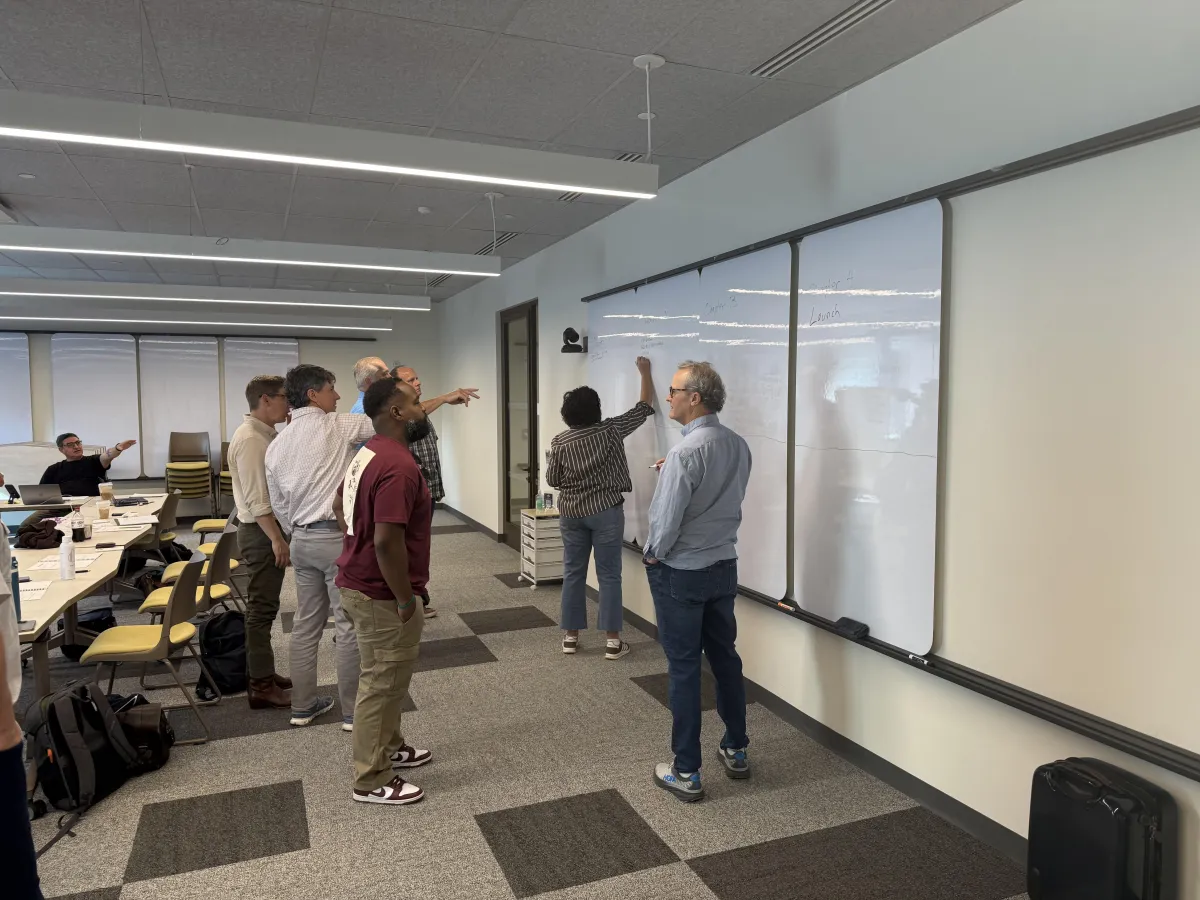
Live practice starts week one — not after weeks of watching videos. You show up having engaged with the material, and we use class time for actual coaching, real-time feedback, and the kind of learning that only happens when someone qualified can see what you can't see yet. Mentor coaching and observed sessions are built into the program. Not add-ons.
4. What Is the Actual Cohort Size?
The math here is worth doing. Take the available practice time in a program and divide it by the number of students. Whatever number you land on — is that enough to actually build a skill?
In a cohort of 40 or 50 people, content can be delivered efficiently. Individualized attention can't. You practice less. You get feedback less often. You become one face in a large group rather than a developing coach with a growing track record.
This matters even more now. ICF Level 1 programs are required to include a performance evaluation. If you haven't had enough observed practice — with enough honest feedback — before that evaluation, you'll feel it.
Ask directly: What's the maximum number of students per cohort? What's the faculty-to-student ratio during live practice sessions?
Where CCA Stands
Small cohorts aren't a selling point for us — they're a requirement. We cap enrollment deliberately so that every student gets observed, receives specific feedback, and builds a real relationship with the faculty. In our program, you're not a name on a roster. You're a developing coach we actually know.
5. What Does the Tuition Actually Cover?
Price and quality don't have a reliable relationship in the coaching education world. Some of the most expensive programs are coasting on brand name. Some of the more affordable ones are doing genuinely serious work.
What the number on the invoice doesn't tell you is what's actually included.
To pursue an ICF Level 1 credential, you need at minimum 60 hours of coach-specific training, 10 hours of mentor coaching, observed sessions, and a performance evaluation. If any of those pieces are sold separately — as upgrades, add-ons, or optional extras — the real cost is higher than the headline price.
Ask before you commit: Does tuition include mentor coaching? Are any required materials or evaluations extra? What if I need more support along the way?
Where CCA Stands
Tuition at CCA covers the full training experience — live sessions, mentor coaching, observed practice with written feedback, and your performance evaluation. We don't sell the essentials separately. You'll know exactly what you're getting before you commit.
6. Can I Talk to Someone Who Recently Graduated?
Any program that believes in what it's delivering should be able to connect you with graduates who can speak freely about their experience.
Curated testimonials on a website are fine — but they're selected. A live conversation with a real graduate, where you can ask whatever you want, tells you something different. Something more honest.
When you do connect with a graduate, go beyond the general. Ask:
- Did the training prepare you for real conversations with real clients?
- Did you feel confident sitting with your first paying client?
- Were you ready for the ICF performance evaluation?
- Would you choose this program again, knowing what you know now?
Where CCA Stands
We'll connect you with our graduates directly. No screening, no scripts, no prep call beforehand. Ask them whatever you'd ask us.
7. What Kind of Coach Will I Actually Become?
This is the one question most programs can't answer clearly — and the most important one to ask.
Any school can hand you a list of ICF Core Competencies they cover. Fewer can tell you, specifically, what kind of practitioner walks out the other side.
Coaching isn't just a knowledge base. It's a presence. The ability to sit with someone in real complexity, resist the pull to fix or advise, and ask a question that opens something new. That capacity is built over time, with practice, with feedback, and with guidance from people who actually know what it looks and feels like.
If a program can articulate the kind of coach their graduates become — and that description resonates with who you want to be — that alignment is worth more than any feature list.
Where CCA Stands
We want our graduates to be able to coach — not just explain coaching. To sit with a real client, hold the space without rushing, ask the question that opens something they hadn't seen, and stay steady when the conversation gets hard. That's the standard we hold ourselves to. It's what we build toward from the very first session.
A Few Honest Words About Who We Are
Catalyst Coach Academy opened its doors in 2025. We are a young school — and we're not going to dress that up.
What we bring isn't a long institutional track record. It's decades of active practice: coaching real clients, mentoring coaches through their credentialing journeys, and assessing coaches through the ICF process — work that Jamie and Ruthie are both still doing right now.
We're working through ICF accreditation, and we'll be transparent about exactly where we stand in that process if you ask. Our curriculum is built on ICF-approved content, and our training is designed to meet the standards that actually matter when you step into a real session with a real client.
We built CCA because we wanted the program we wished had existed when we were starting out.
If you're looking for the fastest, cheapest route to a certificate, we're probably not your school. If you want to come out the other side knowing you can actually coach — and feeling ready to prove it — that's exactly what we built this for.
Apply every question in this article to us. We welcome it. The people you'll eventually coach deserve to be trained by someone who took this seriously.
Ready to Ask Us?
Let's Have an Honest Conversation.
Bring your questions — including the hard ones. We'd rather you go in clear-eyed than second-guess yourself six months from now.
Schedule a Call with Jamie & Ruthie →Nashville, Tennessee · Cohorts enrolling now
About the Authors
Jamie and Ruthie Slingerland are Master Certified Coaches (MCC) and co-founders of Catalyst Coach Academy, based in Nashville, Tennessee. With a combined 10,500+ coaching hours, they train coaches to develop the skill, presence, and confidence to earn their ACC credential and build a practice they're proud of.
